**Daikure Automates Anchor Panel Design with RICOS Generative CAE — Reducing a One-Week Design Process to Just One Day**
 RICOS Co. Ltd. (Head Office: Chiyoda-ku, Tokyo; Representative Director: Yu Ihara; hereinafter “RICOS”), a technology company that leverages AI and simulation technologies to improve the efficiency and value of product design, has provided RICOS Generative CAE to Daikure Co., Ltd. (Head Office: Kure, Hiroshima; President: Takashi Yamamoto; hereinafter “Daikure”) since April 2024. RICOS Generative CAE is a system that autonomously modifies product geometries and explores optimized designs.
In this interview, we spoke with the Daikure team about their experience using RICOS Generative CAE and their expectations for its future development.
For more information on the background to the implementation and Daikure’s comments, please see the following article: https://www.ricos.co.jp/news/ricos-generative-cae-introduced-daikure/
User Interview
```
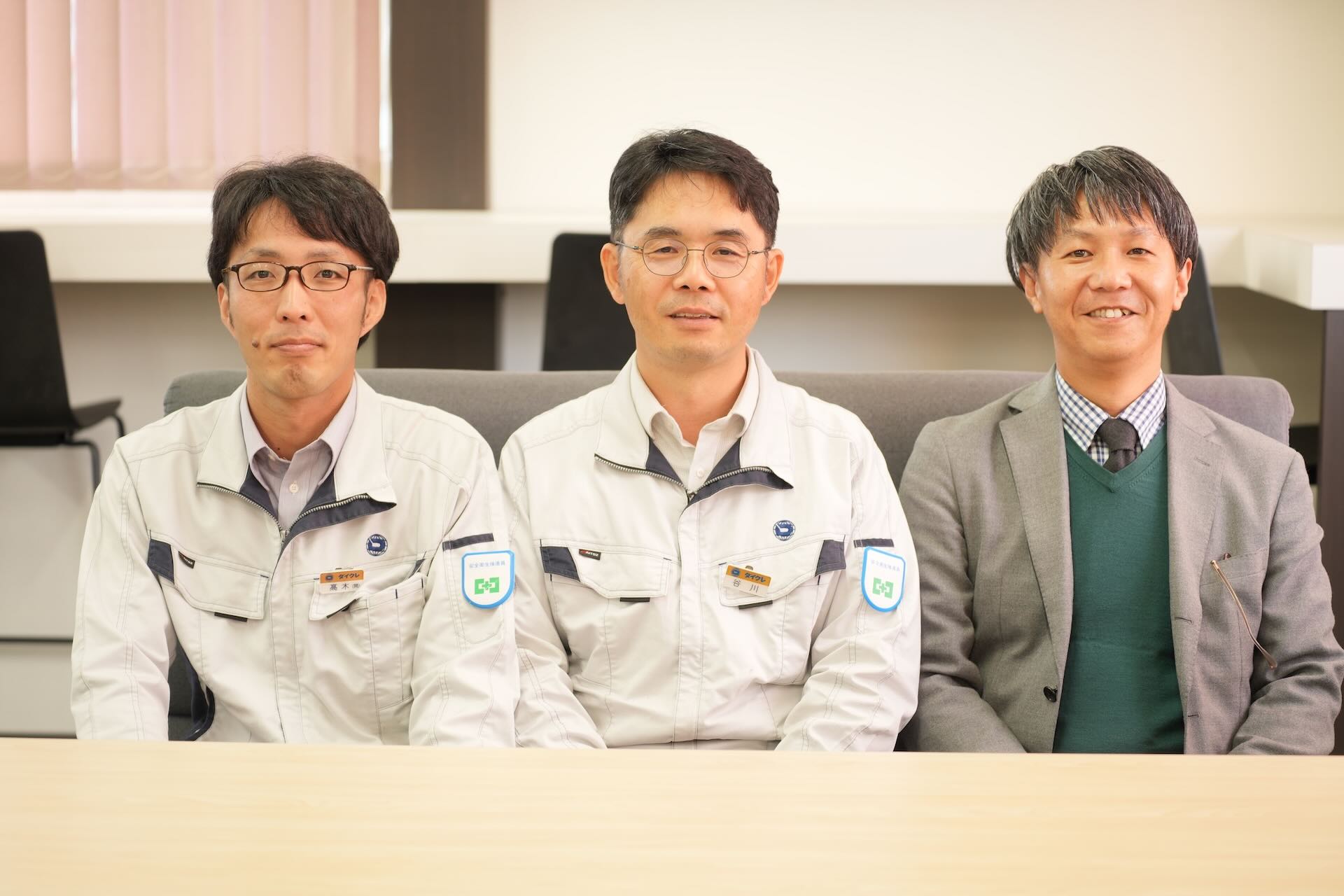
- Daikure Co., Ltd., Technology Division. From right: Mr. Suzuki, General Manager of the Development Department; Mr. Tanigawa, Section Chief of the Development Department; and Mr. Takagi, Section Chief of the Development Department
```
Could you tell us about your roles at Daikure?
Mr. Takagi: I mainly work on the development and improvement of FRP products. FRP is a composite material in which fibers such as glass fiber or carbon fiber are embedded in plastic to increase its strength. We use it in products such as anchor panels and green panels for slope protection applications.
In addition to product development, I also provide technical support in response to inquiries from our sales teams and factories.
```
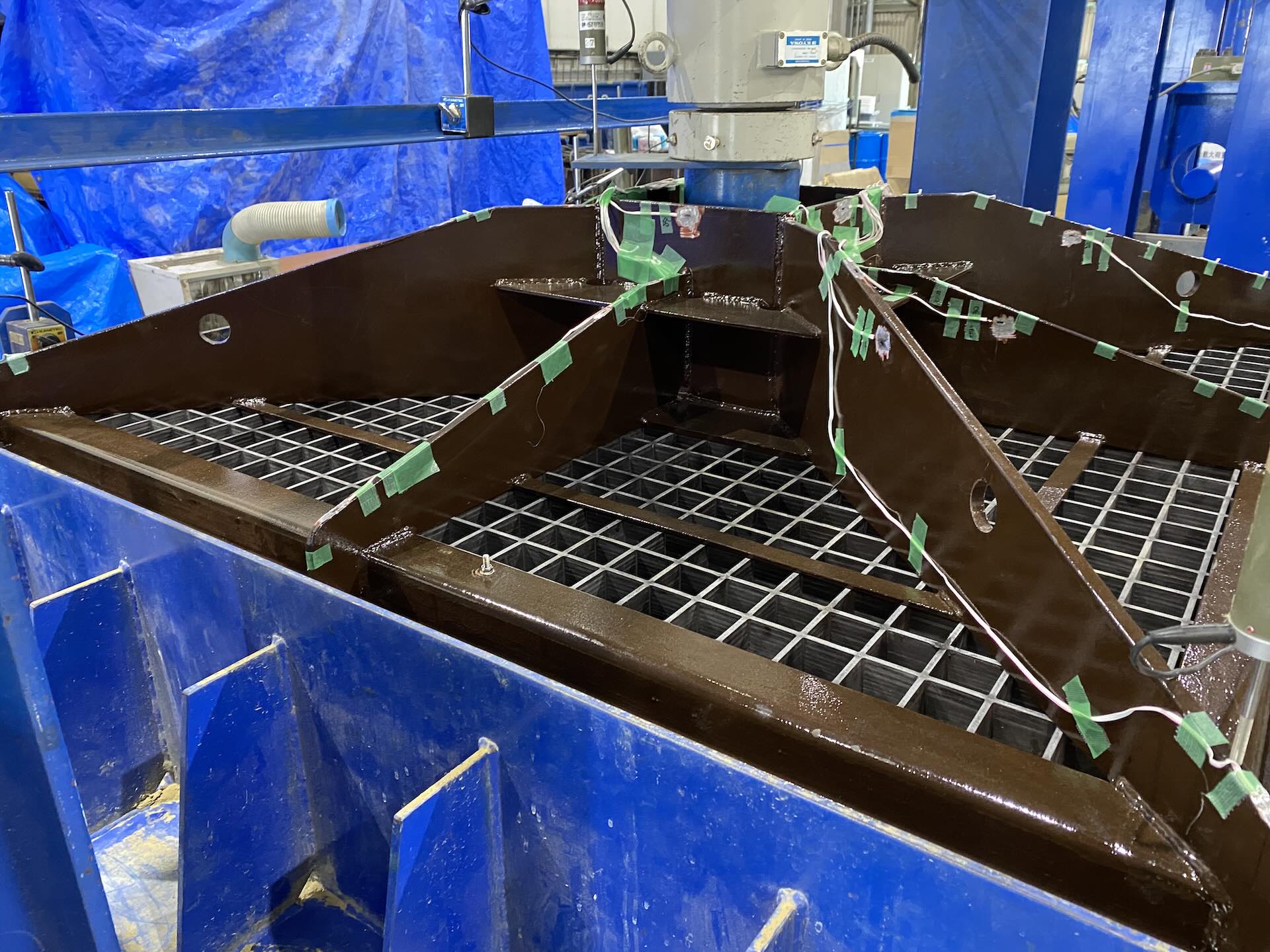
- Anchor panel fitted with strain gauges and other equipment for testing
```
Mr. Tanigawa: I mainly work on bridge products such as railings and curbs, as well as long-span grating products.
More recently, I have also been involved in patent-related work and projects involving BIM/SIM and the use of 3D data.
You are currently using RICOS Generative CAE to design anchor panels. First, could you explain what an anchor panel is?
Mr. Takagi: One method used to prevent slope failure is the ground anchor method. Anchor panels are used as bearing plates in this construction method.
What are the key features of Daikure’s anchor panels?
Mr. Takagi: One major advantage is that they support vegetation growth. Our anchor panels combine FRP and steel, and the FRP sections have large open areas. This allows vegetation to grow even where the anchor panels are installed.
Another advantage is corrosion resistance, as FRP is used in the load-bearing sections.
The panels can also be flexibly modified in size and other dimensions through machining, making it easier to provide customized solutions tailored to the requirements of each site.
```
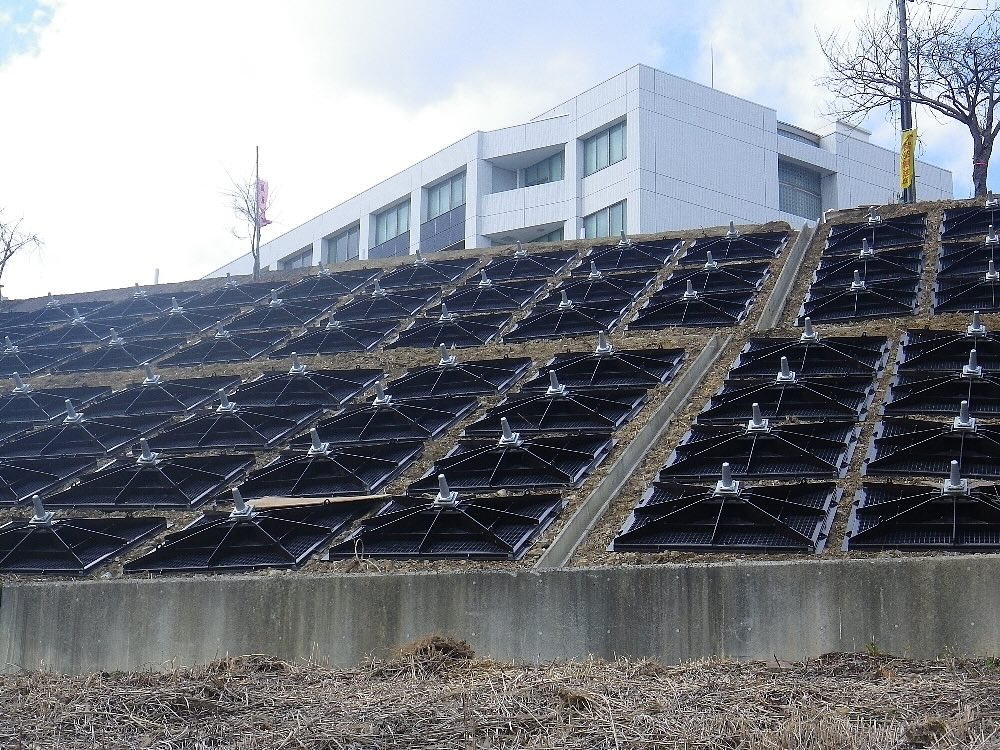
- 01 Before vegetation growth
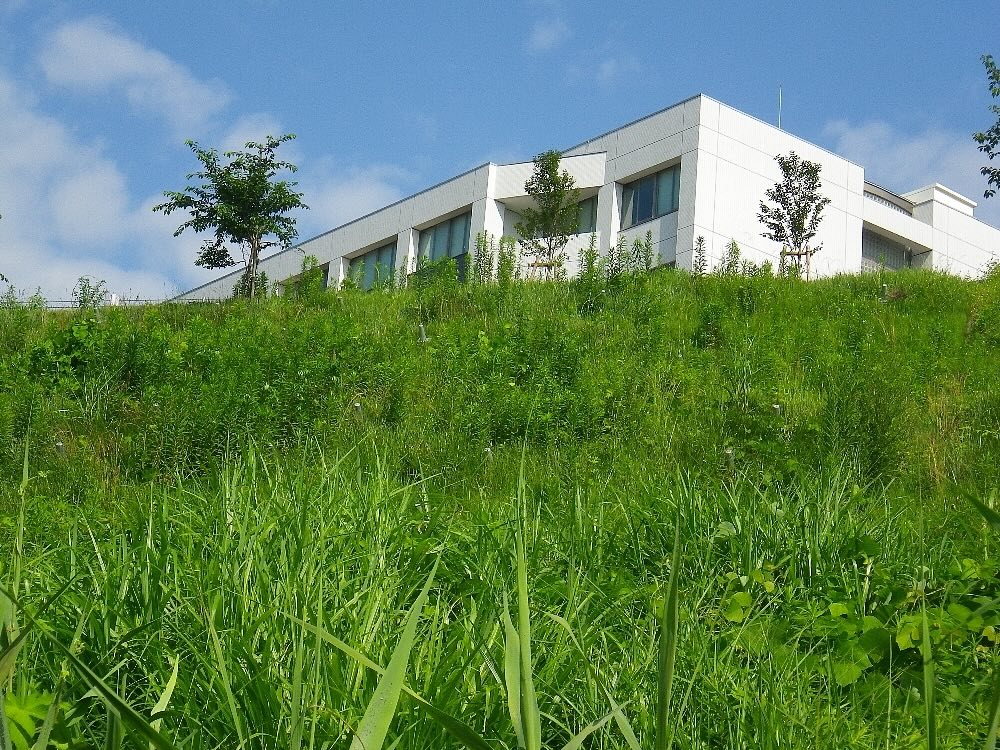
- 02 After vegetation growth
```
Could you describe your current work related to anchor panels?
Mr. Takagi: A large part of our current work involves custom products for individual sites. Based on the requirements of each site, I design the product while evaluating its performance through simulations. I then prepare the drawings required by both the sales and manufacturing teams.
I am also involved in standardizing additional product variations and supporting tests conducted in the presence of customers.
What makes anchor panel design particularly challenging?
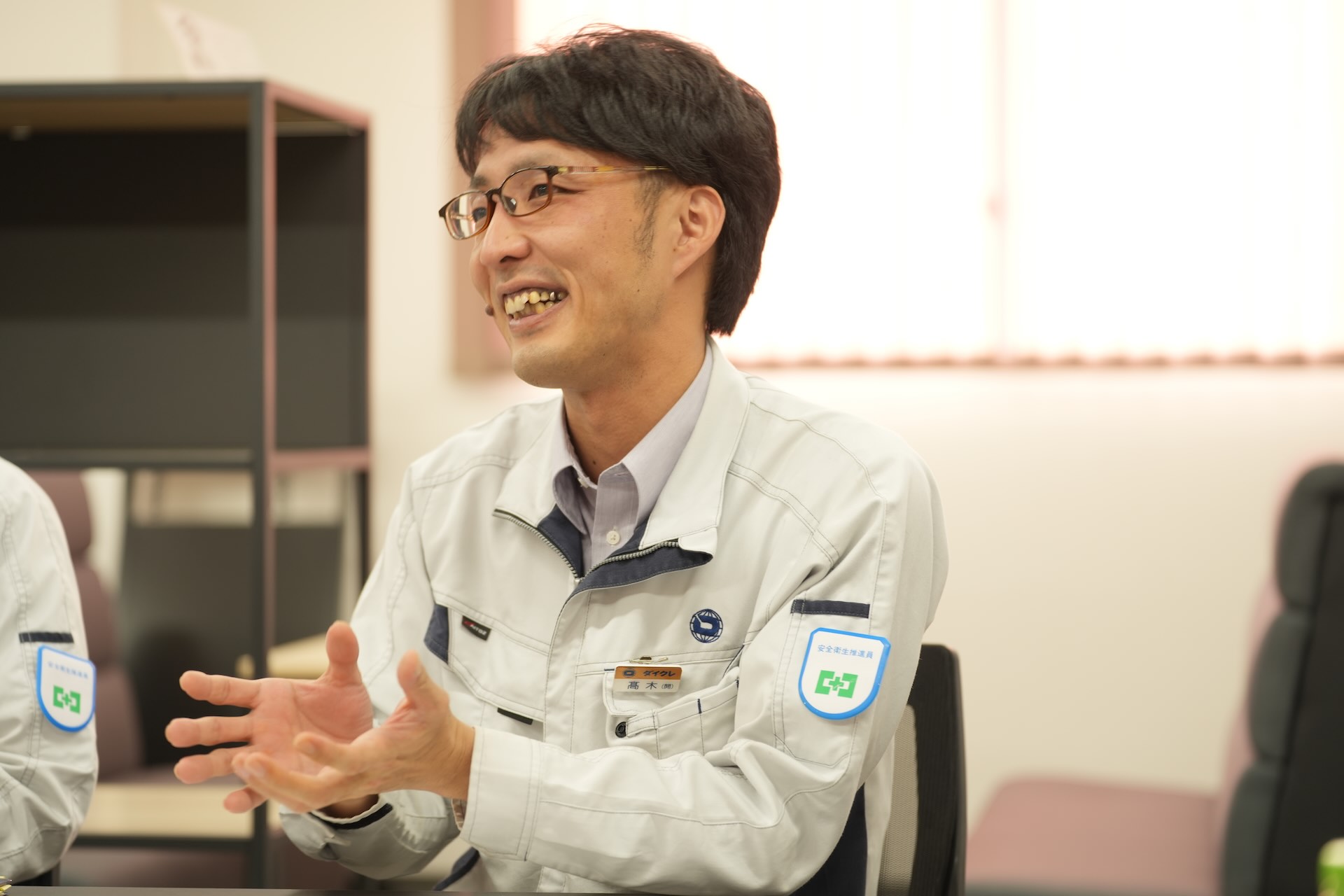
Mr. Takagi: The biggest challenge is the amount of time required to identify the optimal combination of components. We have to repeatedly change multiple parameters and run simulations each time.
```
```
Customers may also specify constraints such as the height of the product or the angle at which the anchor must be installed, so we have to develop designs that satisfy all of those requirements.
In general, designing a single product requires more than one full week of actual work. We repeatedly adjust numerous parameters, evaluate the design through simulation, and start again if the required performance is not achieved. When there is not enough time, we sometimes provide a provisional quotation based on a similar existing model and submit the final design drawings and quotation later.
How did your collaboration with RICOS begin?
Mr. Suzuki: It started at a business-matching event organized by a bank. At the time, we were looking for potential partners for a business idea unrelated to simulation, but we saw RICOS’s optimization concept on the list of participating companies and became interested, so we arranged a meeting.
Initially, we were unsure which of our products would be the best fit for optimization. Since we were already using simulations for anchor panels, we thought they might be a good match for RICOS’s technology.
Before the collaboration began, we had expected to focus on improving existing products. However, because designing custom products was also a significant burden, our discussions with RICOS led us to pursue both the improvement of existing products and the automation of custom-product design through the development of the tool.
```
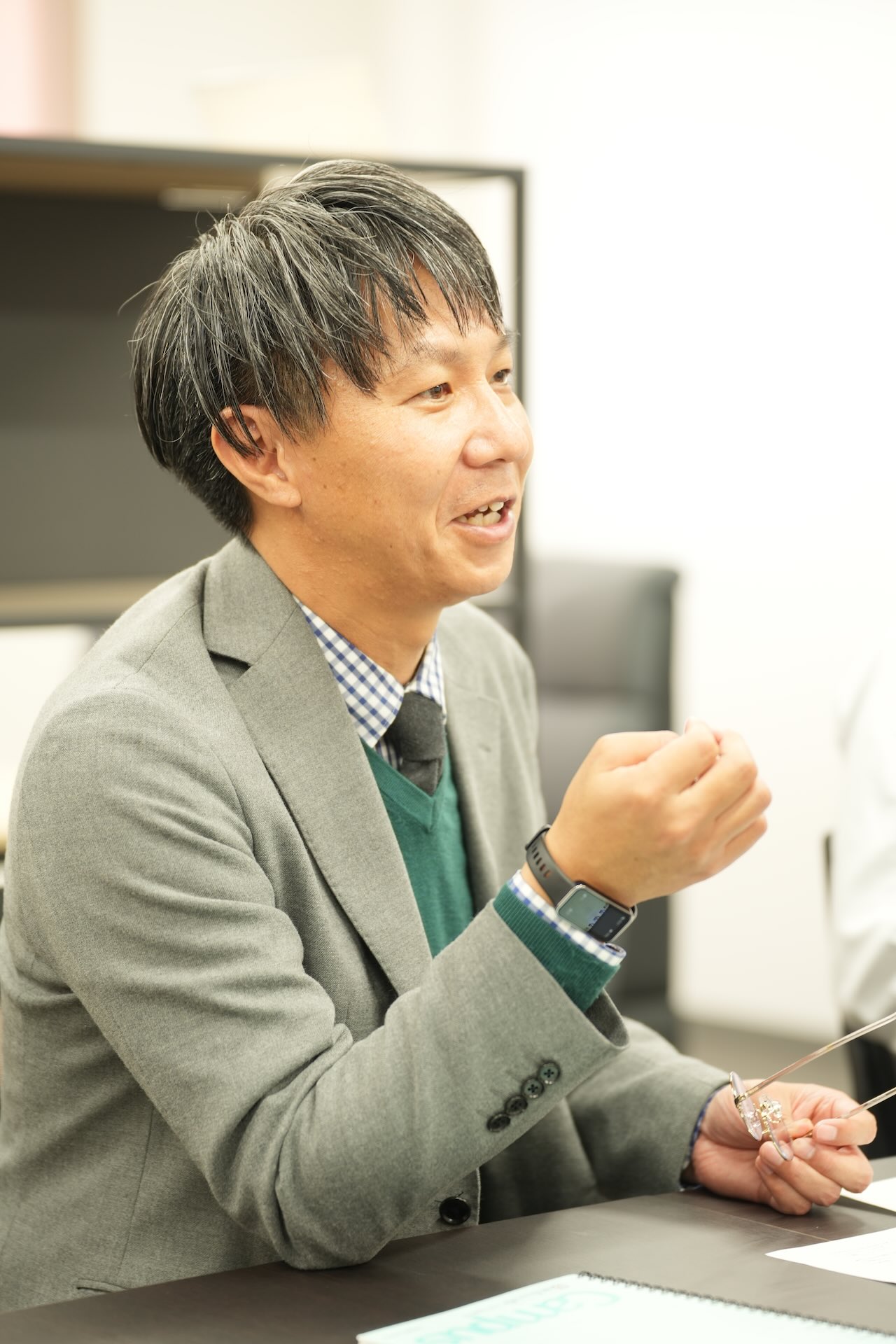
- Mr. Suzuki
```
How is RICOS Generative CAE different from the tools you used previously?
Mr. Takagi: What surprised me most was that once you enter the numbers, the system comes up with the shape automatically (laughs).
With the tool we previously used, we had to create the simulation mesh ourselves, and every time we changed the product geometry, we had to generate a new mesh. For major changes, such as changing the height of the product, rebuilding the mesh alone could take around two hours. It was remarkable to realize that this work could be eliminated. Removing that manual effort also allows us to evaluate far more design iterations than before.
What has your experience been like using RICOS Generative CAE?
Mr. Tanigawa: At present, it takes around 10 to 15 minutes to define the conditions based on the customer’s requirements and another five minutes to enter them into the tool. In total, our hands-on work takes only about 20 minutes. After that, we simply wait around a day and a half for the optimization calculation, and the system produces the optimized drawing. We are extremely pleased with the significant reduction in engineering effort compared with our previous process.
```
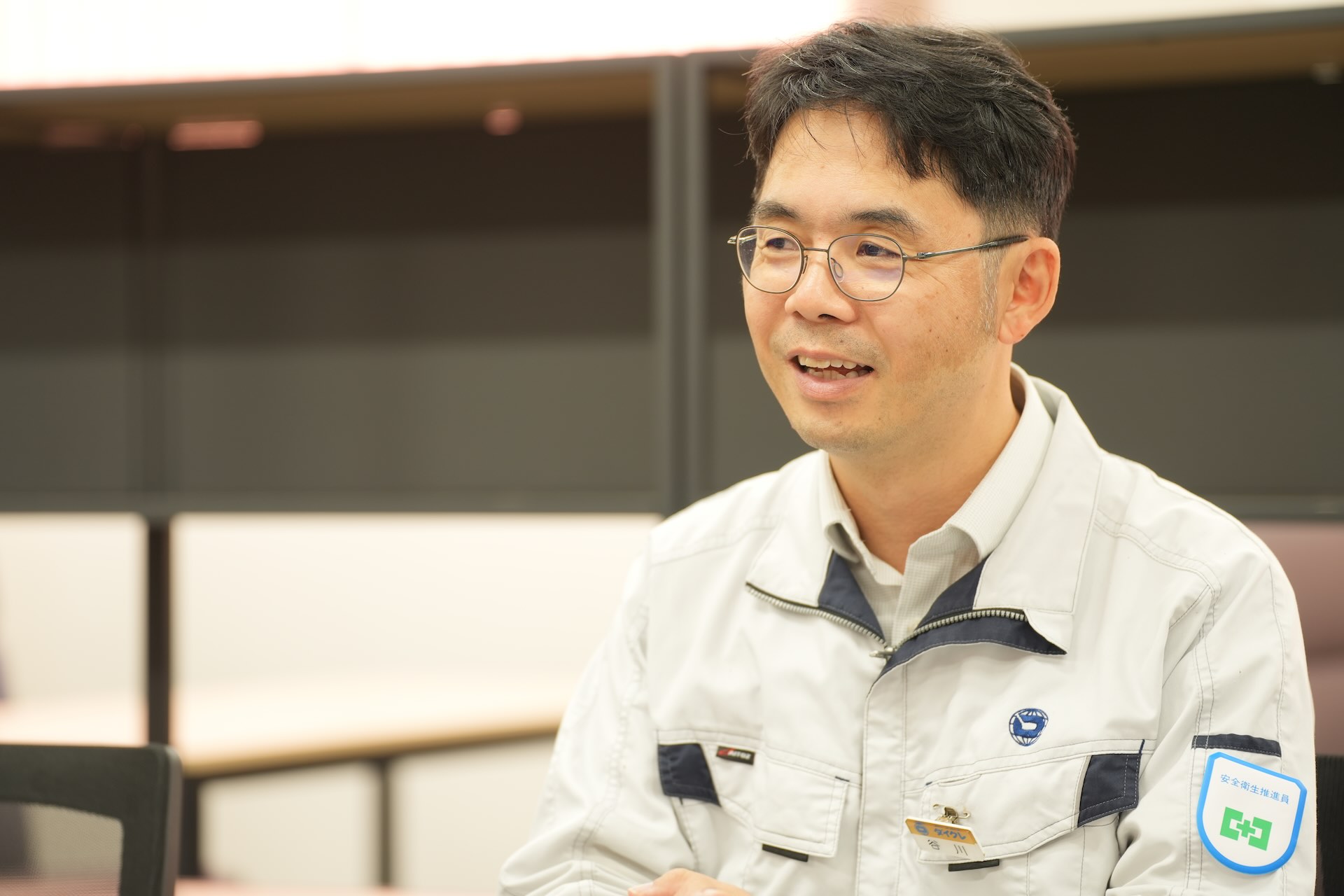
- Mr. Tanigawa
```
In addition to reducing engineering effort, another major benefit is that we can shorten the time required to provide customers with design proposals and quotations. It also allows us to propose designs that address customer requirements as fully as possible.
How would you describe RICOS’s support, and what would you like to see in the future?
Mr. Suzuki: In the future, we hope RICOS will continue developing additional functionality so that its structural calculation and optimization systems can also be applied to our other products.
Mr. Tanigawa: As a next step, we would like to work on generating calculation documents and standard drawings.
Mr. Takagi: Preparing those documents and drawings currently takes around half a day, so we would very much like to work together on automating that process as well.
```
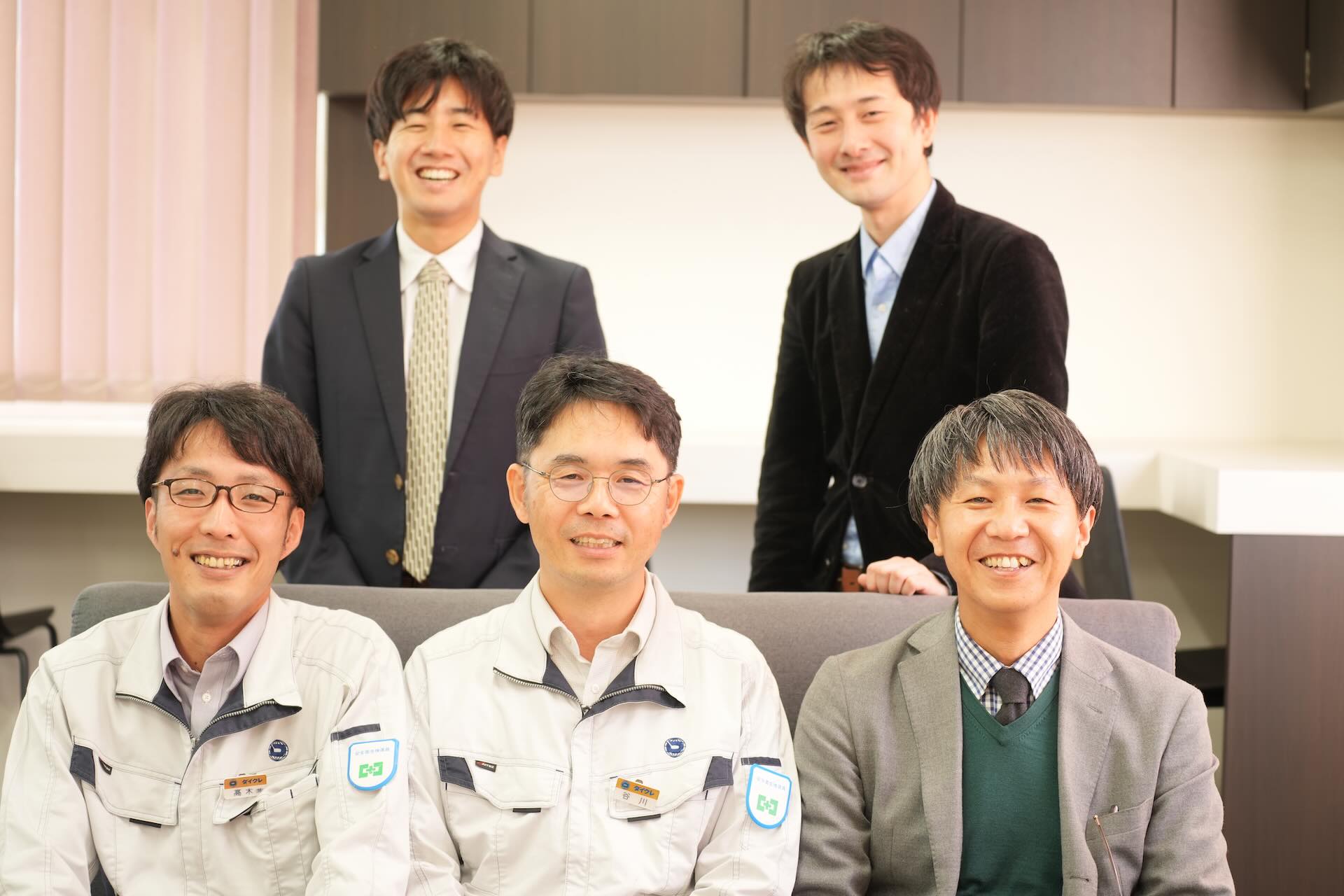
- Daikure Co., Ltd., Technology Division. From right: Mr. Suzuki, General Manager of the Development Department; Mr. Tanigawa, Section Chief of the Development Department; and Mr. Takagi, Section Chief of the Development Department. Back row, from right: Yu Ihara and Fujii of RICOS
```
About RICOS Generative CAE
■ Key Features of RICOS Generative CAE
・Automatically proposes product geometry modifications within manufacturable constraints
・Automatically evaluates the performance of proposed design modifications
・Identifies higher-performing and optimized geometries
■ Why We Developed RICOS Generative CAE
CAE tools are widely used in design and simulation workflows across manufacturing industries. However, their full potential is not always realized because of factors such as the level of technical expertise required and the substantial computation time involved in simulation.
As a result, we believe engineering teams are often unable to perform enough iterative design changes and performance evaluations before a product reaches production, limiting their ability to fully optimize product performance.
■ About RICOS Generative CAE
To address these challenges, RICOS is developing RICOS Generative CAE, a system that automatically modifies designs, performs large numbers of performance evaluation cycles—potentially hundreds of thousands or more—and explores and proposes better-performing geometries.
Manufacturability is incorporated as one of the system’s design criteria, enabling it to propose higher-performing geometries within a range suitable for mass production.
Through RICOS Generative CAE and applications such as RICOS Lightning*, our AI-CAE solution, RICOS aims to help more manufacturers and engineers address challenges including shorter development lead times, lower design and simulation costs, and broader adoption of AI and digital technologies in manufacturing.
* RICOS Lightning is an AI-CAE tool that rapidly predicts fluid simulation results. In addition to providing fast and highly accurate predictions, it reduces the need for complex meshing and is designed to be easy to learn and use. It has been adopted by multiple companies, including automotive manufacturers, and can currently also be applied to thermo-fluid and multiphase-flow simulations.
Daikure Co., Ltd.
Address: 1-24 Tsukiji-cho, Kure, Hiroshima, Japan
TEL: 0823-21-1331
FAX: 0823-25-7790
Website: https://www.daikure.co.jp
Anchor Panel Product Page: https://www.daikure.co.jp/slope/p28178/
■ Company Information
RICOS Co. Ltd.
Address: 2-3-2 Marunouchi, Chiyoda-ku, Tokyo, Japan
Representative: Yu Ihara, Representative Director
Website: https://www.ricos.co.jp/
Careers: https://www.ricos.co.jp/recruit/